Discover the Benefits of Servitization

Learn how product-focused manufacturing transformed into service-driven business can help build deeper customer ties and lasting competitive advantages.

Overview Challenges Benefits Case Studies Technologies Resources FAQ Read More

What is servitization?

Servitization represents the strategic transformation of product-centric manufacturers into service-driven enterprises. This business model shift involves integrating comprehensive services throughout the product lifecycle—from initial deployment to ongoing maintenance, upgrades, and eventual replacement. Rather than simply selling equipment, manufacturers create recurring revenue streams through outcome-based contracts, predictive maintenance, digital services, and performance guarantees. This transformation enables deeper customer relationships, while generating sustainable competitive advantages in increasingly commoditized markets.
null

Why is servitization important for manufacturing businesses?

Manufacturing leaders face unprecedented pressure from global competition, margin compression, and evolving customer expectations. Servitization addresses these challenges by creating differentiated value propositions that competitors cannot easily replicate. Service revenues typically offer higher margins than product sales, provide predictable recurring income, and strengthen customer loyalty through ongoing relationships. As digital technologies mature, manufacturers can now deliver sophisticated services at scale, making servitization not just viable but essential for long-term growth.

How does servitization work?

Servitization operates through a systematic approach that transforms traditional manufacturing business models. Companies begin by analyzing their installed base to identify service opportunities, then develop capabilities to deliver outcome-based solutions rather than just products. This involves implementing IoT sensors for real-time asset monitoring, building service teams with advanced technical skills, and creating digital platforms that enable predictive maintenance and remote support. The transformation requires integrating service considerations into product design, establishing new pricing models based on performance outcomes, and developing partnerships that extend service capabilities across global markets.

Challenges of servitization in manufacturing

Legacy systems and business models

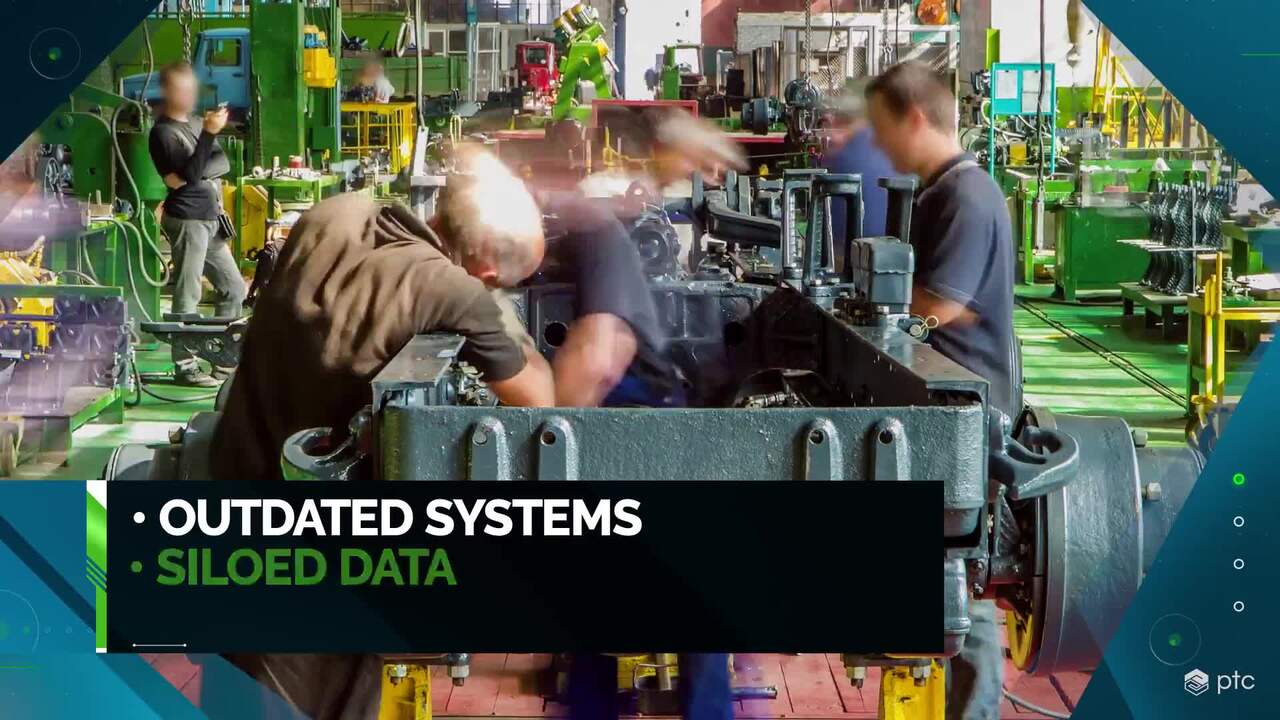
Traditional manufacturing organizations operate with product-focused systems, processes, and cultures that resist service transformation. ERP systems designed for discrete transactions struggle with subscription-based revenue models. Sales teams accustomed to large equipment deals must learn to sell ongoing value propositions. Financial reporting structures built around product margins don't easily accommodate service profitability analysis. These legacy constraints require comprehensive organizational change management and system modernization to support servitization success.

Skills gap

Servitization demands capabilities that many manufacturers lack internally. Service engineers need advanced diagnostic skills, data analytics expertise, and customer relationship management abilities beyond traditional technical training. Sales professionals must understand complex service economics and long-term customer value creation. Operations teams require proficiency with IoT platforms, predictive analytics, and remote monitoring technologies. Developing these competencies through hiring, training, and partnerships represents a significant organizational investment.

Limited asset visibility

Effective servitization requires comprehensive understanding of how products perform in customer environments. Many manufacturers lack real-time visibility into asset utilization, maintenance needs, and failure patterns. Without this operational intelligence, companies cannot deliver proactive services, optimize maintenance schedules, or demonstrate clear value to customers. Installing IoT sensors, building data collection infrastructure, and developing analytics capabilities become essential for service success.

Organizational alignment and customer trust

One of the key challenges in servitization is ensuring organizational alignment and building customer trust. Transitioning to a service-centric model requires cross-functional collaboration between product teams, service departments, and executive leadership. Misalignment can result in inefficiencies and missed opportunities to deliver value. Additionally, gaining customer trust is critical, as businesses must demonstrate that their service offerings are reliable, transparent, and capable of providing the promised outcomes over time. Companies need to foster open communication and prioritize customer satisfaction to overcome these hurdles.

Return on investment concerns

Manufacturers often face uncertainty surrounding the return on investment (ROI) when adopting servitization. The shift entails significant upfront costs, including investments in technology, infrastructure, training, and process redesign. Decision-makers may hesitate to commit without clear and measurable financial benefits. Establishing strong business cases supported by data that highlights potential revenue growth, operational savings, and long-term profitability is crucial to mitigating these concerns.

Implementation

The implementation of servitization presents industrial manufacturers with a range of logistical and technical complexities. Transitioning from a product-focused model to a service-oriented one involves integrating advanced technologies like IoT and AI into legacy systems. These processes require careful planning, skilled workforce enablement, and nimble change management strategies to avoid operational disruptions. Additionally, manufacturers must ensure scalability and flexibility within their service models to adapt to evolving market needs and maintain competitive differentiation.

Key drivers for enabling servitization in manufacturing

Service revenue growth

Servitization creates multiple revenue streams beyond initial product sales. Maintenance contracts, performance guarantees, training services, and digital solutions generate recurring income that smooths revenue volatility. Service margins typically exceed product margins, providing sustainable profitability growth.

Workforce utilization

Service-oriented business models maximize human capital efficiency by deploying skilled technicians on higher-value activities. Instead of reactive repairs, technicians focus on preventive maintenance, customer consultation, and performance optimization. Digital work instructions and remote support capabilities enable field teams to resolve complex issues faster, while reducing travel costs and response times.

Improve customer renewal rates

Ongoing service relationships create switching costs that improve customer retention. When manufacturers become integral to customer operations through performance contracts and continuous support, customers develop dependency relationships that reduce churn.

Improve service attach rates

Integrated service offerings increase the percentage of product sales that include service components. By demonstrating clear value through predictive maintenance, performance monitoring, and guaranteed uptime, manufacturers convert one-time buyers into long-term service subscribers.

Customer satisfaction

Service-centric relationships enable manufacturers to understand and address customer needs more effectively. Continuous monitoring provides insights into usage patterns, performance issues, and optimization opportunities that improve customer outcomes. Proactive service delivery prevents problems before they impact customer operations, resulting in higher satisfaction scores and stronger business relationships.

Aftermarket lifetime value

Servitization extends the profitable relationship with customers throughout the entire product lifecycle. Service contracts, upgrades, retrofits, and eventual replacement opportunities create value streams lasting years beyond initial sales. This extended engagement increases customer lifetime value compared to traditional product-only transactions.

The benefits of servitization

Servitization offers manufacturers a transformative approach to driving growth, stability, and differentiation in today's competitive markets. By shifting from one-time product sales to recurring service revenue models, businesses can unlock predictable cash flows, improve profit margins, and foster stronger customer relationships. This strategy creates durable competitive advantages through comprehensive service ecosystems, data-driven insights, and scalable global operations. With the added financial and operational benefits of reduced volatility and increased market intelligence, servitization positions manufacturers for long-term success in a rapidly evolving industrial landscape.

Servitization offers manufacturers a transformative approach to driving growth, stability, and differentiation in today's competitive markets. By shifting from one-time product sales to recurring service revenue models, businesses can unlock predictable cash flows, improve profit margins, and foster stronger customer relationships. This strategy creates durable competitive advantages through comprehensive service ecosystems, data-driven insights, and scalable global operations. With the added financial and operational benefits of reduced volatility and increased market intelligence, servitization positions manufacturers for long-term success in a rapidly evolving industrial landscape.

Minimized downtime

Efficient service operations powered by IoT and AI technologies enable manufacturers to minimize equipment downtime. Real-time monitoring and predictive analytics allow service teams to address potential issues before they lead to failures, ensuring uninterrupted operations for customers. This proactive approach not only decreases costly disruptions but also builds trust and loyalty by consistently delivering reliable support.

Efficient service operations powered by IoT and AI technologies enable manufacturers to minimize equipment downtime. Real-time monitoring and predictive analytics allow service teams to address potential issues before they lead to failures, ensuring uninterrupted operations for customers. This proactive approach not only decreases costly disruptions but also builds trust and loyalty by consistently delivering reliable support.

Enhanced product reliability

By leveraging data collected through connected devices and digital tools, manufacturers can significantly enhance the reliability of their products. Predictive maintenance strategies and automated diagnostics improve product performance while reducing the risk of unpredictable breakdowns. These advancements demonstrate manufacturers' commitment to quality and durability, fostering stronger relationships with their customers.

By leveraging data collected through connected devices and digital tools, manufacturers can significantly enhance the reliability of their products. Predictive maintenance strategies and automated diagnostics improve product performance while reducing the risk of unpredictable breakdowns. These advancements demonstrate manufacturers' commitment to quality and durability, fostering stronger relationships with their customers.

Improved customer operations

Digital service solutions empower customers to optimize their own operations by offering actionable insights and tailored recommendations. With enhanced asset visibility and access to analytics, customers can make more informed decisions, manage resources more effectively, and achieve greater operational efficiency. This collaborative approach drives value for both manufacturers and their clients.

Digital service solutions empower customers to optimize their own operations by offering actionable insights and tailored recommendations. With enhanced asset visibility and access to analytics, customers can make more informed decisions, manage resources more effectively, and achieve greater operational efficiency. This collaborative approach drives value for both manufacturers and their clients.

Diversify revenue sources

Service-centric business models provide manufacturers with opportunities to diversify their revenue streams. Through service contracts, aftermarket solutions, and digital offerings, companies can reduce dependence on volatile product sales. This shift not only stabilizes revenue during economic downturns but also creates new growth areas aligned with changing customer expectations and industry trends.

Service-centric business models provide manufacturers with opportunities to diversify their revenue streams. Through service contracts, aftermarket solutions, and digital offerings, companies can reduce dependence on volatile product sales. This shift not only stabilizes revenue during economic downturns but also creates new growth areas aligned with changing customer expectations and industry trends.

Accelerated product innovation

Service operations generate extensive data on asset performance and usage, serving as a valuable feedback loop for product development teams. This data-driven approach accelerates product innovation by identifying areas of improvement, driving the creation of more advanced, reliable, and customer-focused solutions. Ultimately, manufacturers can stay ahead of the competition by delivering products that continuously meet evolving market needs.

Service operations generate extensive data on asset performance and usage, serving as a valuable feedback loop for product development teams. This data-driven approach accelerates product innovation by identifying areas of improvement, driving the creation of more advanced, reliable, and customer-focused solutions. Ultimately, manufacturers can stay ahead of the competition by delivering products that continuously meet evolving market needs.

Examples of servitization in manufacturing

metso-logo-with-padding
marel-logo.svg
schneider-electric-logo.svg

Metso's inventory optimization success saves EUR 41.6 million

Discover how Metso implemented Servigistics service parts management in the cloud to unearth value from its global supply chain.

Read the Case Study

Marel’s Global Service Transformation With ServiceMax at the Hub

With ServiceMax at the hub of their global service transformation, Marel is able to unify their brands, establish a global standard, and keep their customers up and running 24/7.

Read the Case Study

Schneider Electric Sparks a Global Business Transformation

Schneider Electric is leading the digital transformation of energy management and automation in homes, buildings, data centers, infrastructure, and industries.

Read the Case Study
How can PTC technologies help companies with servitization?

Service lifecycle management (SLM)

A comprehensive platform managing the entire service ecosystem from initial customer engagement to ongoing support delivery, SLM solutions optimize service operations, improve technician productivity, and enable data-driven service strategies that drive customer satisfaction and profitability.

Product lifecycle management (PLM)

Integration between product design and service delivery ensures products are designed for serviceability. PLM platforms enable manufacturers to incorporate service considerations into product development, creating offerings optimized for long-term customer relationships and service revenue generation.

Application lifecycle management (ALM)

Software development capabilities enable manufacturers to create digital service applications and maintain complex service software ecosystems. ALM ensures service applications remain current, secure, and aligned with evolving customer needs.

Internet of Things (IoT)

Connected device capabilities provide real-time visibility into asset performance, usage patterns, and maintenance needs. IoT platforms enable predictive maintenance, remote monitoring, and data-driven service optimization that forms the foundation of advanced servitization strategies.

Discover how Servigistics revolutionizes service supply chain optimization with purpose-built industrial AI innovations.

See how ServiceMax enables service delivery with work management, automation, preventive maintenance, contract management, mobile tools, and customer self-service on one platform.

Learn how to realize value quickly with standardized, out-of-the-box functionality across a comprehensive portfolio of core PDM and advanced PLM applications.

Servitization frequently asked questions

What are the different types of servitization?

Servitization encompasses several distinct approaches that manufacturers can implement based on their industry, customer needs, and strategic objectives. Understanding these different types helps organizations choose the most appropriate servitization strategy for their specific circumstances and market position.

Maintenance and repair services

PTC's maintenance and repair services are designed to optimize asset performance and minimize downtime through proactive and predictive strategies. By leveraging IoT-enabled monitoring and AI-powered insights, manufacturers can address issues before they escalate, ensuring equipment reliability and reducing operational disruptions. This approach empowers businesses to achieve higher efficiency and cost savings over the lifecycle of their assets.

Operational services

Our operational services focus on streamlining day-to-day processes to maximize productivity and operational efficiency. Through advanced digital tools and data analytics, PTC helps manufacturers gain real-time visibility into their operations, enhance decision-making, and implement proactive management practices. By integrating these strategies, businesses can improve resource utilization and stay competitive in evolving markets.

Consulting and training

PTC offers consulting and training programs tailored to the unique needs of industrial manufacturers undergoing digital transformation. Our experts provide strategic guidance on technology integration, workforce enablement, and service optimization. Additionally, we offer hands-on training to equip technicians and staff with the skills necessary to excel in a digitally driven environment, ensuring long-term sustainability and success.

Outcome-based services

With a focus on measurable results, PTC provides outcome-based services that align performance metrics with business objectives. These services help manufacturers shift to service-centric business models by delivering value through defined outcomes, such as increased customer satisfaction, improved warranty-to-contract conversions, and higher aftermarket revenue. This results-driven approach ensures that manufacturers achieve their goals while maximizing ROI.

What technologies support servitization?

The transition to a service-centric business model is powered by advanced technologies that enable greater efficiency, visibility, and scalability. Key among these technologies are Internet of Things (IoT) and 5G, which together form the backbone of modern servitization strategies.

IoT

IoT plays a critical role in servitization by connecting physical assets with digital systems, creating a network of devices that provide real-time data and actionable insights. This connectivity enables manufacturers to monitor equipment performance, predict maintenance needs, and offer proactive services. IoT enhances asset visibility, driving better decision-making and improving operational efficiency. By leveraging IoT, manufacturers can shift from reactive to predictive and even prescriptive service models, creating more value for their customers.

5G

The introduction of 5G technology amplifies the benefits of IoT by delivering faster, more reliable connectivity. With ultra-low latency and the ability to support massive device networks, 5G ensures seamless communication between connected devices and central systems. This allows manufacturers to operate at higher speeds, scale their digital services more effectively, and provide real-time solutions to customers. From advanced remote assistance powered by augmented reality (AR) to instant data transmission for critical operations, 5G is a catalyst for unlocking the full potential of servitization.